Buying guide / Buying guides
Solar Panels for Homes, Balconies and Power Stations
Solar Home's guides to solar panels: plug-in balcony kits and state laws, and how portable panels charge a power station within its solar input limit.
- Updated
- October 8, 2026
- Read
- 3 min
- Sources
- 06
We earn from qualifying purchases through links on this page. How we make money.
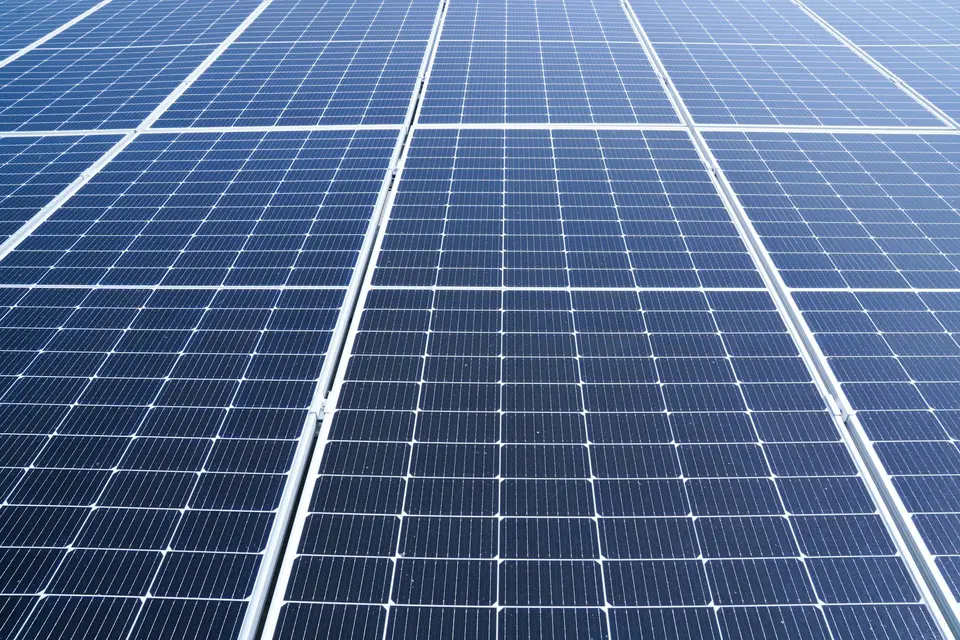
Solar panels for a home without a rooftop system come in two kinds. A plug-in balcony kit has a microinverter and feeds your home’s wiring through an outlet, where state law allows it. Portable panels charge a power station’s own battery instead, up to its solar input limit, and keep working in a blackout.
The right choice depends on the job. Lower daytime grid use points to a plug-in kit. Power that keeps running when the grid is down points to panels plus a power station.
How plug-in balcony solar works
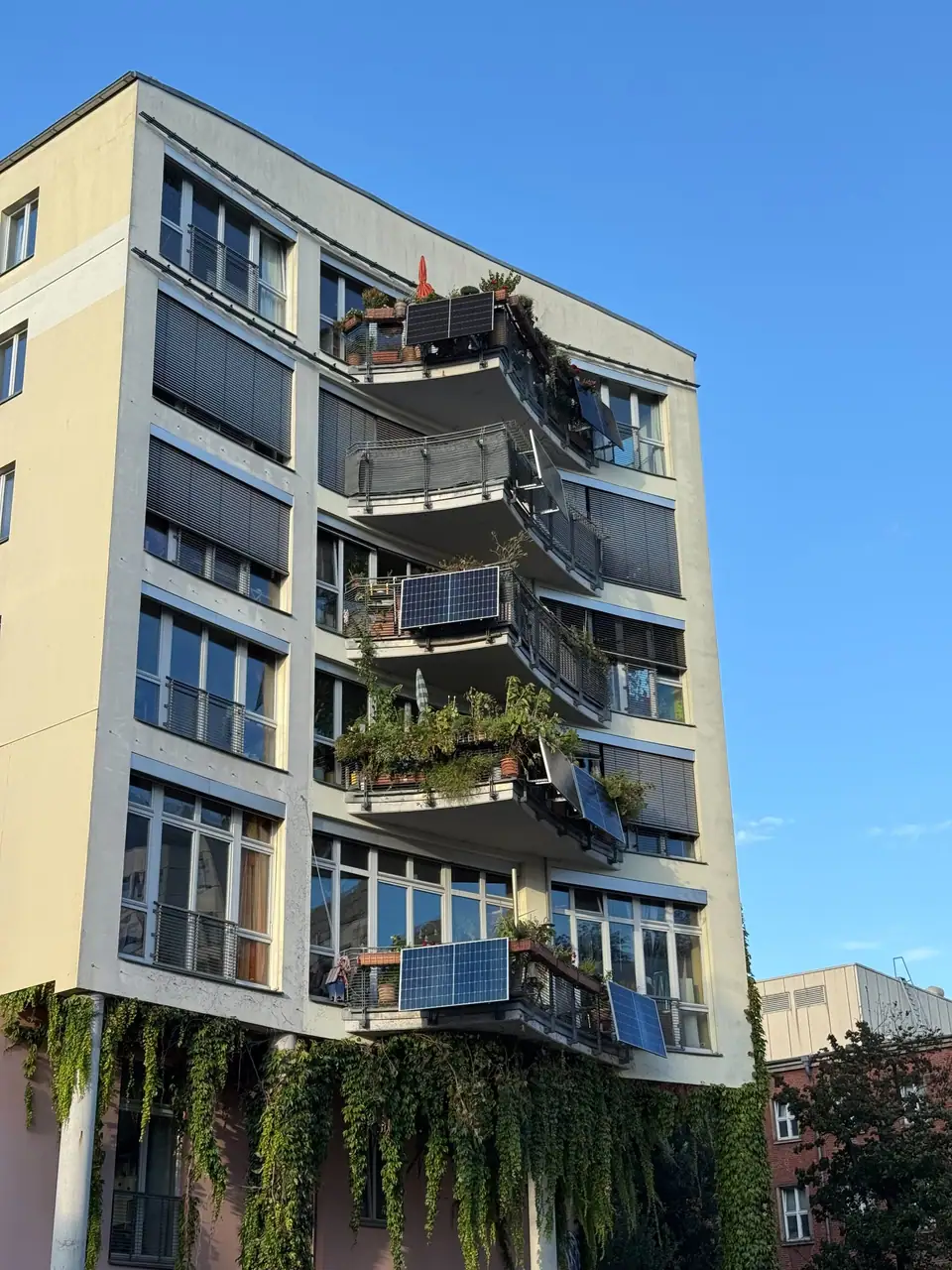
A plug-in system is one or two panels, a microinverter that turns their DC output into household AC power, and a cord to a wall outlet. The panels usually hang on a balcony railing, sit on a patio or lean against a wall. Power flows into the home’s wiring and is used by whatever is running at the time, such as a fridge or router.
Nine US states had enacted plug-in solar laws as of September 28, 2026. Utah was first, in 2025. Most cap a system at 1,200 W, and Colorado allows 1,920 W. Our guide to balcony solar in the US has the state-by-state table, the notice rules and the start dates.
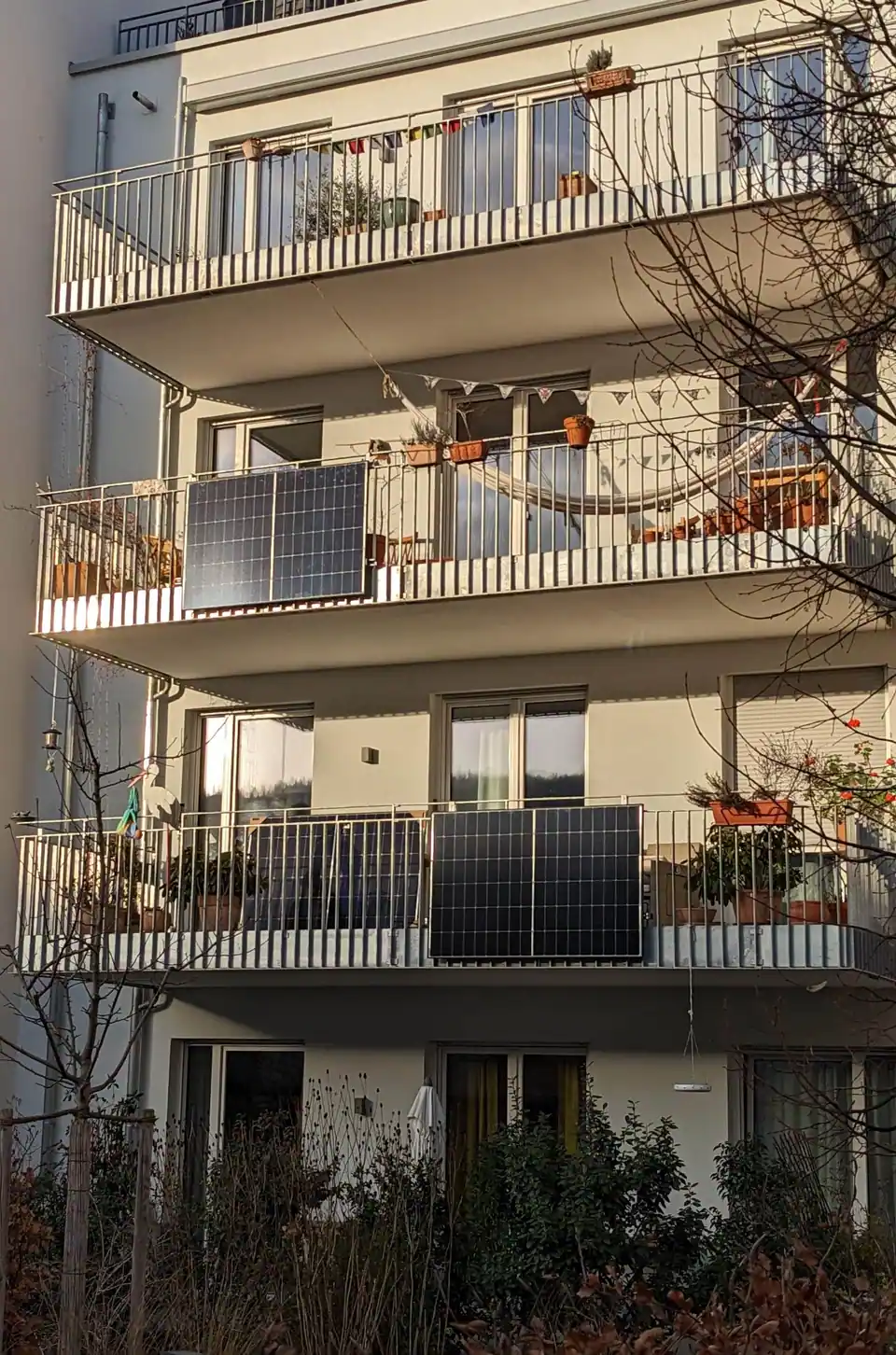
Plug-in solar is not backup power. The state laws require a system to stop feeding power during an outage, and it has no battery unless you add one. UL Solutions launched UL 3700, a test program for plug-in equipment, in January 2026, so ask a seller which lab certified a kit before you buy.
Balcony and plug-in solar kits on eBay
Live listings, shown by eBay
Opens eBay in a new tab. Check condition, seller feedback and returns.
Panels that charge a power station
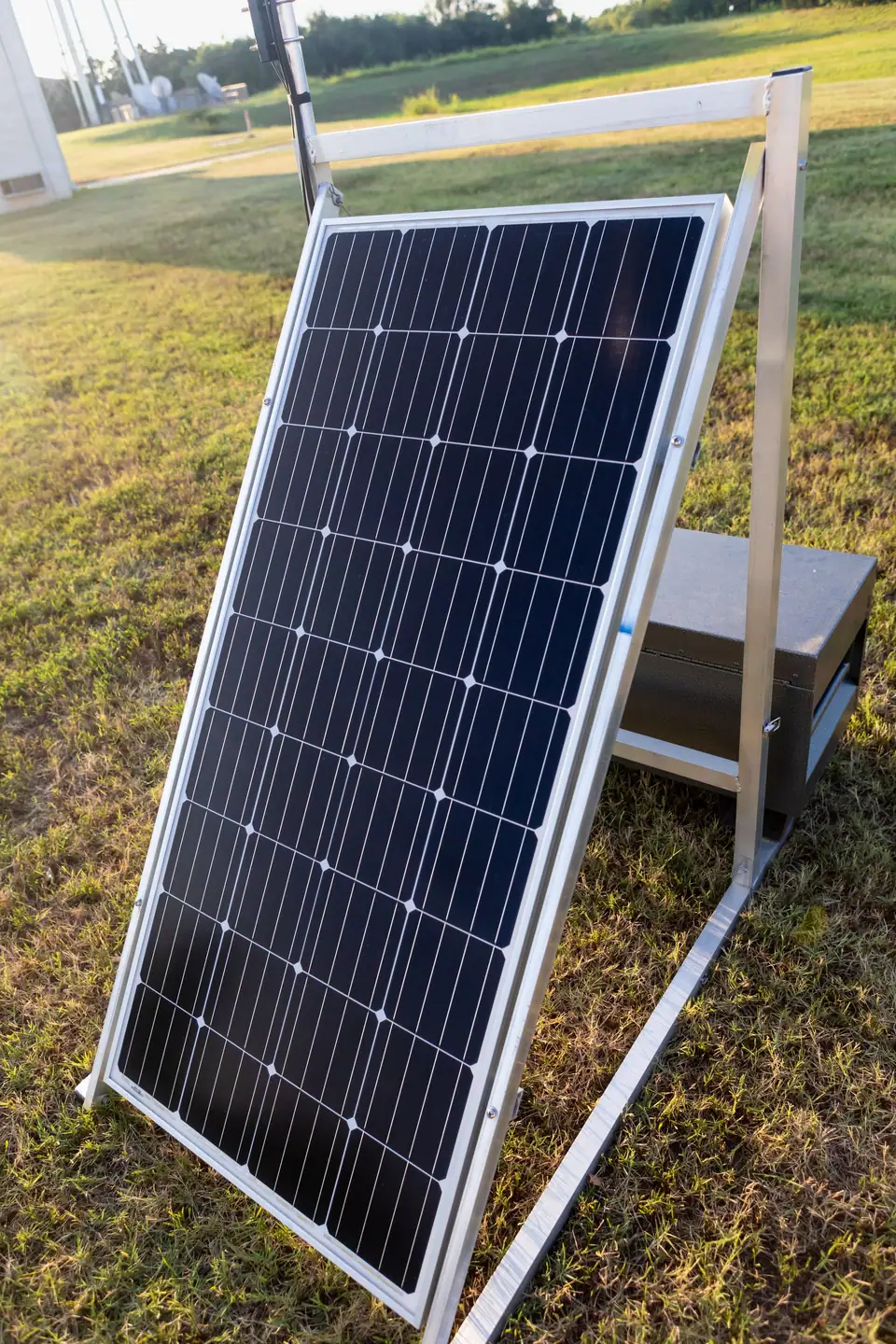
A portable power station stores energy in its own battery, so it keeps running through an outage. Portable panels refill it during the day. The station’s solar input rating is the ceiling: panel wattage above it will not charge any faster, and clouds, shade and panel angle make real charging slower than the listed times.
| Model | Solar input listed | Full solar charge listed |
|---|---|---|
| EcoFlow DELTA 3 Plus | 1,000 W (2 x 500 W) | 70 minutes |
| Anker SOLIX C1000 Gen 2 | 600 W | 1.8 hours |
| BLUETTI AC180 | 500 W | 2.8 to 3.3 hours |
How to charge a solar generator compares solar with wall and car charging for each model. To pick the station first, start with the power stations section.
Which one fits your home
A renter who wants a smaller bill and has a sunny railing can look at a plug-in kit, once the lease and the state law allow it. Anyone who needs a fridge, a CPAP or internet through an outage needs a battery: a power station sized to those loads, with panels for long outages. Some homes use both. Our home backup guide works through which loads a battery can carry. For lights that run from their own small panel, see outdoor solar.
What to check before you buy panels
For a plug-in kit, match the inverter’s AC output to your state’s cap, not the panels’ combined rating. Look for UL 3700 or a listing from another nationally recognized testing laboratory, and read your lease or HOA rules before anything goes on the railing.
For panels that charge a power station, check two numbers on the station’s spec sheet: the maximum solar input in watts and the voltage range. BLUETTI lists 12 to 60 V for the AC180, so a panel or a string of panels must fall inside that window. Also check that the panel’s connector fits the station’s input port, or that an adapter is included.
More guides on solar power
 Balcony solar lawsWhich states allow plug-in solar, the size caps and what to check first.
 Charge a power stationWall, solar and car charging times, with each maker's solar input limit.
 Home backup powerWhat a battery can run in an outage, and when to add more capacity.
Sources
- H.B. 340 Solar Power Amendments (Enrolled Copy)Utah State Legislature
- HB26-1007 Improve Customer Use Distributed Energy ResourcesColorado General Assembly
- UL Solutions debuts testing criteria for plug-in solar systemsSolar Builder
- EcoFlow DELTA 3 Plus Portable Power StationEcoFlow
- Anker SOLIX C1000 Gen 2 Portable Power StationAnker SOLIX
- BLUETTI AC180 Portable Power StationBLUETTI